Reliable, Affordable Renewable Energy
Our platform enables businesses to meet 90% of their electricity needs with green energy that is both affordable and offers predictable pricing.
We are dedicated to advancing South Africa’s transition to renewable energy.
Our mission is to lead the charge towards a cleaner energy landscape in South Africa.
As a key player in the renewable energy sector, we simplify the journey for businesses aiming to adopt sustainable energy practices. Our comprehensive solution ensures that 90% of your electricity needs can be met with environmentally friendly energy, offering a clear path to reduced emissions, lower costs, and enhanced price security.
-

Affordable
Up to 20% savings in the first year
-
Renewable
90% of your consumption certified green
-
Price certain
Price increases capped at CPI inflation
-
Protected
Pay only for what you need with platform reallocation
-

Seamless onboarding
Quotes within a week
Our Approach
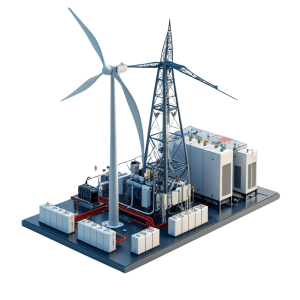
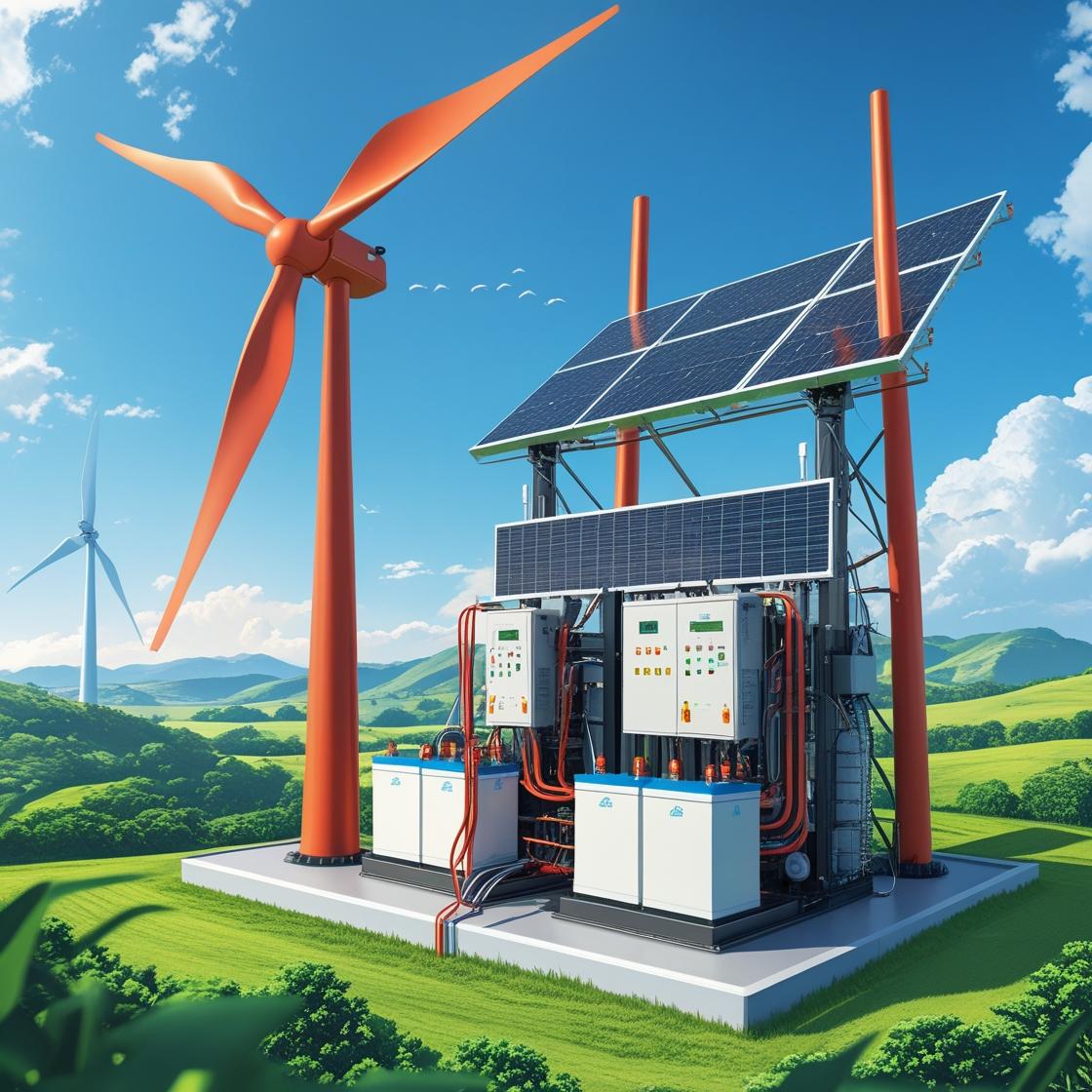
Our innovative energy platform intelligently connects diverse renewable energy producers (solar and wind) with businesses across various locations. This model optimises energy distribution, ensuring a consistent and reliable supply of green power tailored to your company’s specific consumption patterns. We manage the complexities of energy procurement and delivery, making the switch to renewables seamless.
Our System
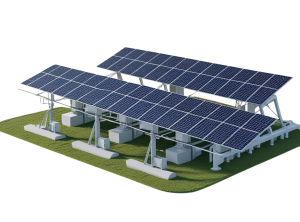
We utilise a sophisticated approach known as ‘energy wheeling.’ This means we source clean energy from strategically located, large-scale renewable power plants and deliver it to your business through the existing national grid. Our advanced analytical capabilities ensure optimal matching of energy supply and demand, mitigating risks associated with variable renewable generation and ensuring you receive the green energy you need, when you need it.
Featured articles and resources
Future-Proof Your Business: Why Securing Max Renewable Energy Coverage Now is Key in South Africa
Beyond On-Site Solar: Integrating Wheeled Renewables to Achieve True Carbon Neutrality and Stable Energy Costs
Navigating the Grid: How Wheeled Renewable Energy Works and Why It's a Smart Move Despite Loadshedding
Fequently Asked Questions
Your business needs an approved electricity meter that records usage at different times, enabling 'time-of-use' (TOU) billing. We integrate with these meters to gather your electricity consumption data. TOU categorizes energy use by the specific hour, day, and season it occurs, dividing a 24-hour day into peak (high demand, typically morning/evening with higher Eskom tariffs, especially in winter: June-August), standard, and off-peak periods. For a unit of renewable electricity to offset a unit of your grid consumption, both must be generated and used within the identical TOU period in the same calendar month. For instance, peak-time renewable energy produced in January can only offset your peak-time grid usage in January; it cannot be applied to off-peak usage or usage in a different month. This precise TOU tracking allows us to accurately match renewable energy production with your consumption, which generates savings for your business. The way these savings appear will depend on the local wheeling regulations; for example, under the traditional Eskom framework, it shows as a credit on your Eskom invoice.
Your existing on-site solar generation will naturally reduce the amount of electricity you draw from the grid during daylight hours. This can shift your remaining grid consumption pattern to be more concentrated at night. Provided your on-site solar system hasn't drastically altered your overall energy demand profile, our service can supply the rest of your electricity needs with wheeled renewable energy. While you can certainly continue using your own solar power, our service focuses on replacing the electricity you would otherwise source from the utility provider. It's worth noting that for many businesses, achieving a substantial reduction in overall energy use through on-site solar alone can be quite costly.
We are actively working with Independent Power Producers to secure energy from premier renewable power generation sites throughout South Africa. Building these power plants is an intricate and capital-intensive undertaking, and currently, there aren't existing operational renewable facilities available for immediate connection. However, by leveraging partnerships with top-tier technical, engineering, and legal specialists, we are working to expedite the delivery of renewable energy. Our goal is to commence the transmission of renewable energy to our clients by the fourth quarter of 2026.
Yes, businesses should be aware of certain risks when prioritizing solar energy. Firstly, if solar power covers most of your daytime needs, your remaining electricity demand becomes heavily concentrated at night. Sourcing renewable energy for this nighttime load (which typically requires wind power or battery storage) can be considerably more expensive, potentially leaving you reliant on costly utility power during those hours and possibly hindering your ability to fully transition to renewables. It’s crucial to consider the implications of a phased approach to renewables, especially if solar is the initial focus. Secondly, as more solar capacity is added across the country, the price of grid electricity during the day could decrease, sometimes significantly – as seen in places like Australia where daytime prices can even turn negative. If your business is locked into a long-term solar contract with fixed pricing, you might find yourselves paying more for solar than the prevailing utility rates for daytime power.
Utilizing wheeled renewable energy directly cuts down your business's Scope 2 greenhouse gas emissions. For most companies not involved in heavy industry, these Scope 2 emissions—which arise from the generation of electricity, heating, and cooling purchased by your organization—represent the largest part of their total emissions, often around 80%. Therefore, switching to wheeled renewable energy is frequently the most impactful step a business can take towards carbon neutrality. To clarify, Scope 1 emissions come from sources your company directly controls (like fuel for company vehicles), while Scope 3 emissions encompass all other indirect emissions throughout your value chain (such as supplier activities or employee commuting), which are usually the hardest to quantify.
Securing the maximum possible amount of your energy from renewable sources now, instead of incrementally increasing it over time, offers a distinct financial advantage. Any delay in maximizing your renewable energy use means missing out on potential savings that wheeling can provide. To recover these foregone savings later, the cost of renewable energy would need to drop substantially, yet recent trends in South Africa show that solar and wind prices have largely stabilized. Furthermore, the availability of suitable power plant locations with access to the national grid is finite. The uncertainty surrounding future grid capacity—a challenge faced globally—could impact the future cost and availability of renewable energy. Our renewable energy solution offers predictable pricing and a reliable supply, giving you cost certainty now.
While the practice of transmitting renewable energy (known as 'wheeling') is common internationally, it's relatively new in South Africa. At present, national rules permit this energy transfer primarily to clients directly connected to Eskom at high voltages, along with a limited number of businesses within specific municipal electricity grids. We will facilitate renewable energy supply to your qualifying locations using Eskom's current standard wheeling system. Due to the increasing demand for power and the swift move towards renewables, new national frameworks for energy wheeling are expected soon. These updates will expand access significantly, allowing most electricity users in South Africa, including those connected via municipalities, to receive renewable energy. Once these updated frameworks are in place, we will be able to deliver renewable energy to your eligible municipal-connected sites.
When you sign a Renewable Energy Supply Agreement (RESA) with us, the physical infrastructure delivering electricity to your site remains unchanged. The renewable energy you receive travels through the same national transmission and local distribution lines that deliver standard grid power. Consequently, if Eskom initiates loadshedding, the entire power supply through these networks is cut, which also halts the flow of your wheeled renewable energy. While participating in energy wheeling doesn't offer an immediate shield from loadshedding, contributing to more renewable energy generation ultimately enhances the stability of South Africa's power system and is expected to reduce the severity and frequency of loadshedding in the long run.